

Super Robin Hood
Robin Hood explores a guarded castle to rescue Maid Marian in the Twins' first successful game for Codemasters.
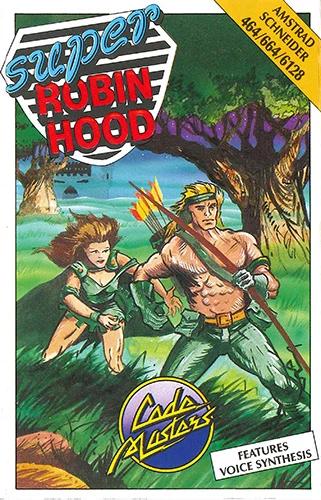
Image credits and source
Original cover / promotional artwork
Credit: Codemasters — artwork belongs to its respective rights holders
Source: The Oliver Twins archive
Game at a glance
- Status
- Classic
- Released
- 1986
- Platforms
- Amstrad CPC, ZX Spectrum, Commodore 64, Atari ST, Amiga, Nintendo Entertainment System
- Genres
- Platform
- Developer
- The Oliver Twins (original development)
- Publisher
- Codemasters
Development and publication
Development: The Oliver Twins (original development). Publication: Codemasters.
The named development credit refers to the original or specifically identified version. Other ports and later re-releases may have different development teams.
Making the game
After completing Killapede we took our A levels in the May of ‘86. Our parents wanted us to go to university, but we really didn't want to since there weren't any courses on video game development or relevant programming languages or anything to do with computer graphics. Helped by our Head of Sixth Form we were able to convince our parents that we could take a year out to develop games and see if we could make a business of it.
We designed and started coding a very ambitious game called Excalibar inspired by Atari’s Gauntlet, but this was more of a top-down adventure game where the player had to explore and find treasures in a mediaeval world. We pitched the idea to Firebird and they agreed to £10,000 for three versions - Amstrad, Spectrum and Commodore 64. Given their past performance we weren’t prepared to continue until a contract turned up and so decided to pitch a new game to other publishers at ECTS in the first week of September ‘86 in London.
We decided on Robin Hood since we felt players would instantly recognise the name and like the idea of playing a hero archer raiding a castle. ’Super’ was added to make it feel more special!
We pitched this to a new publisher called Codemasters, from a single A4 piece of handwritten paper and asked how much they’d pay us for this game on an Amstrad CPC. Co-founder David Darling said £10,000 at which we said we’d do it and return it to them asap.
We worked very long hours with the single Amstrad CPC which was on 23 hours a day, (2 half-hour breaks for cooling), and developed the game within a month and took it back to Codemasters. They agreed to publish the game, but sadly £10,000 turned out to be an estimate of royalties. Instead, they’d pay 10p per copy sold. We were clearly disappointed, but they agreed that if we signed a publishing deal with them that day, that they’d advance us £2,000 immediately. We agreed as this was significantly more than Killapede and we hoped it would sell well.
The game was a massive success and royalties exceeded £10,000 and this became the start of a long, and very rewarding relationship.
Original documents
Archived Super Robin Hood document (PDF)
Sources
From the archive
01 · ArchiveCamerica: bringing games to the NES
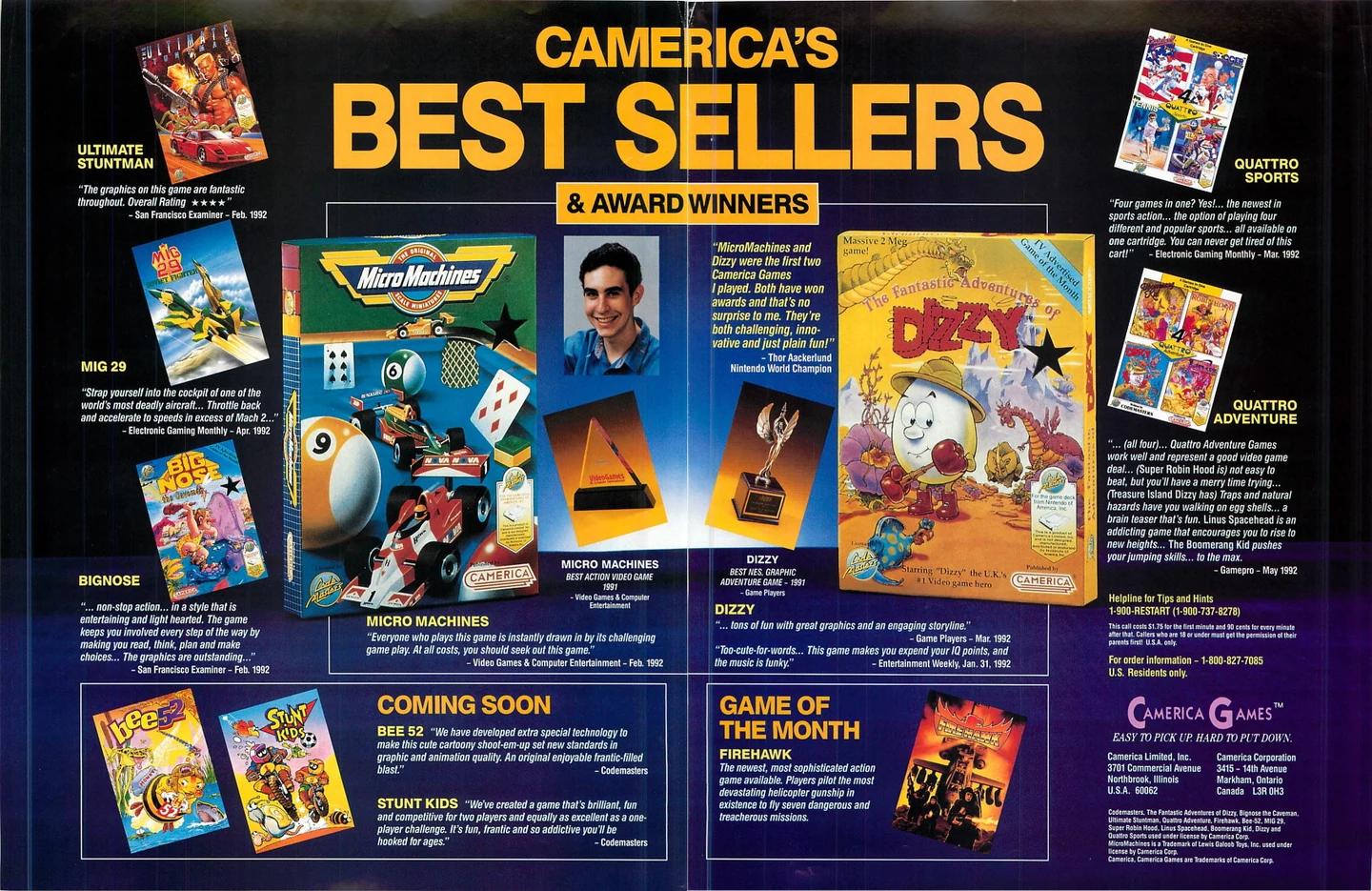
Camerica catalogue spreads and a Quattro Adventure flyer from the Twins’ console chapter.
Take a closer look02 · ArchiveCodemasters: cassette-era advertising
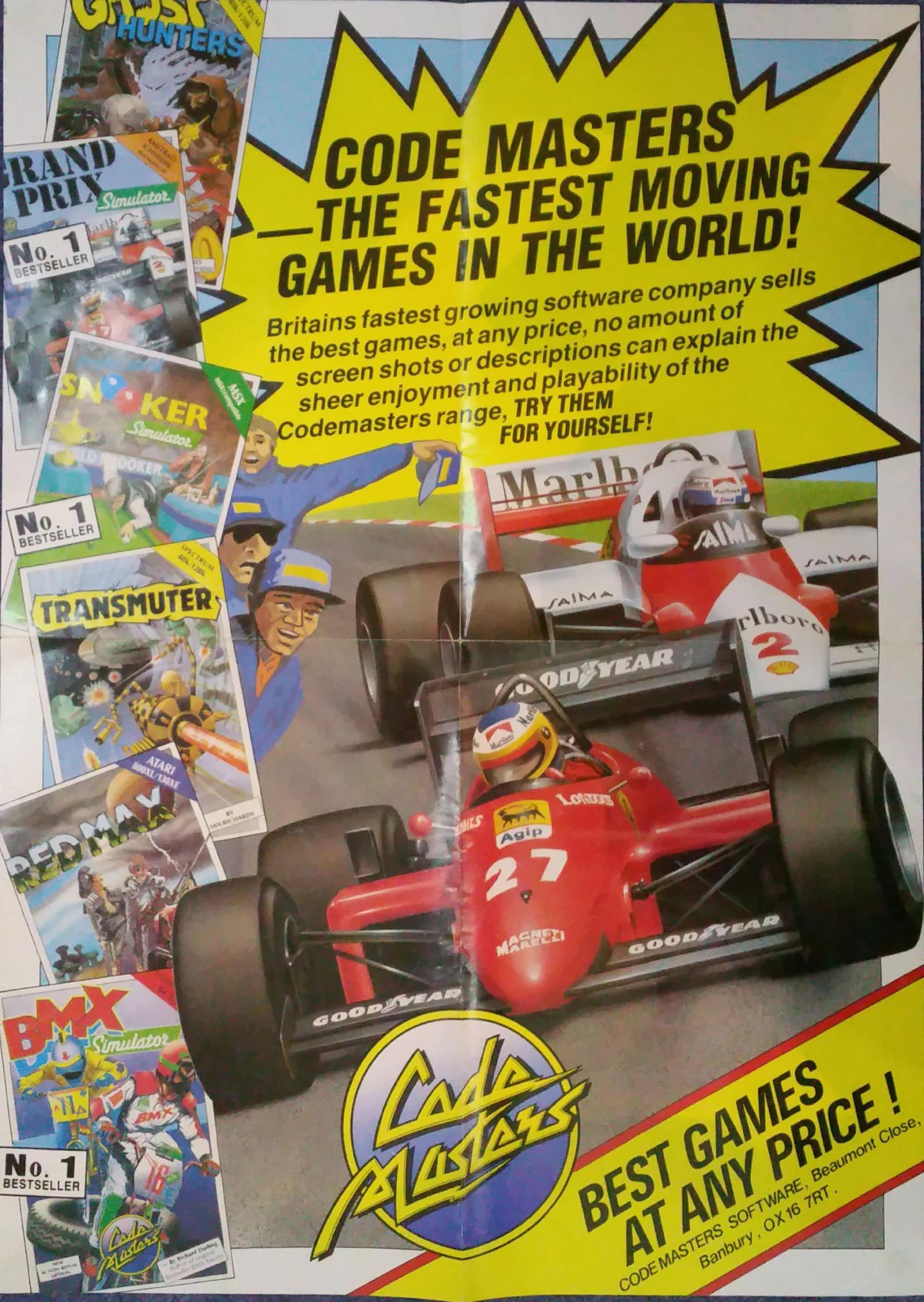
Catalogue advertising, a shop poster and a trade advert from the home-computer years.
Take a closer look03 · ArchiveInside the bedroom workshop
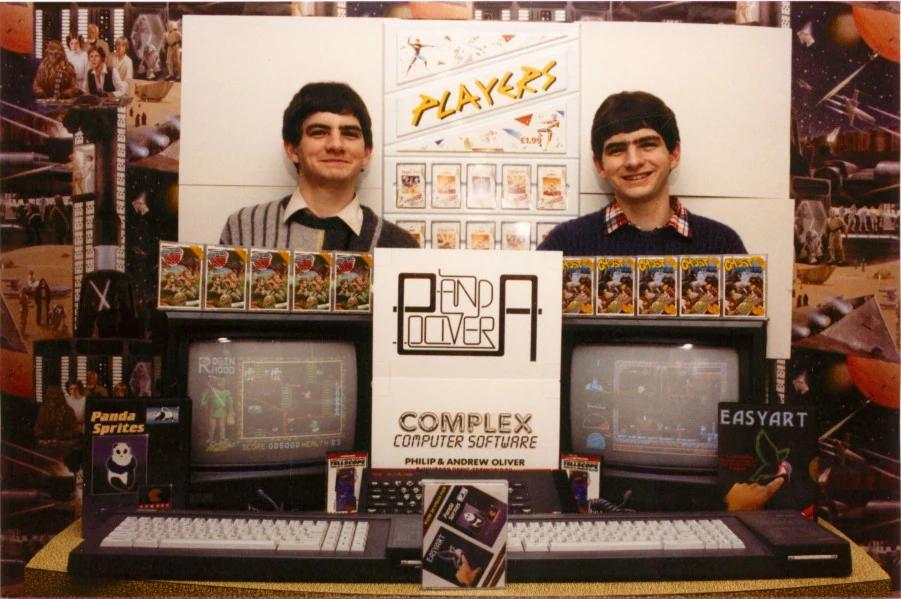
A glimpse of the home-computer workspaces where early games and development tools took shape.
Take a closer lookAlong the way
gameSuper Robin Hood
Their first Codemasters collaboration begins a new chapter after leaving school.
Image credits and source
Original cover / promotional artwork
Credit: Codemasters — artwork belongs to its respective rights holders
Source: The Oliver Twins archive